PandaPages
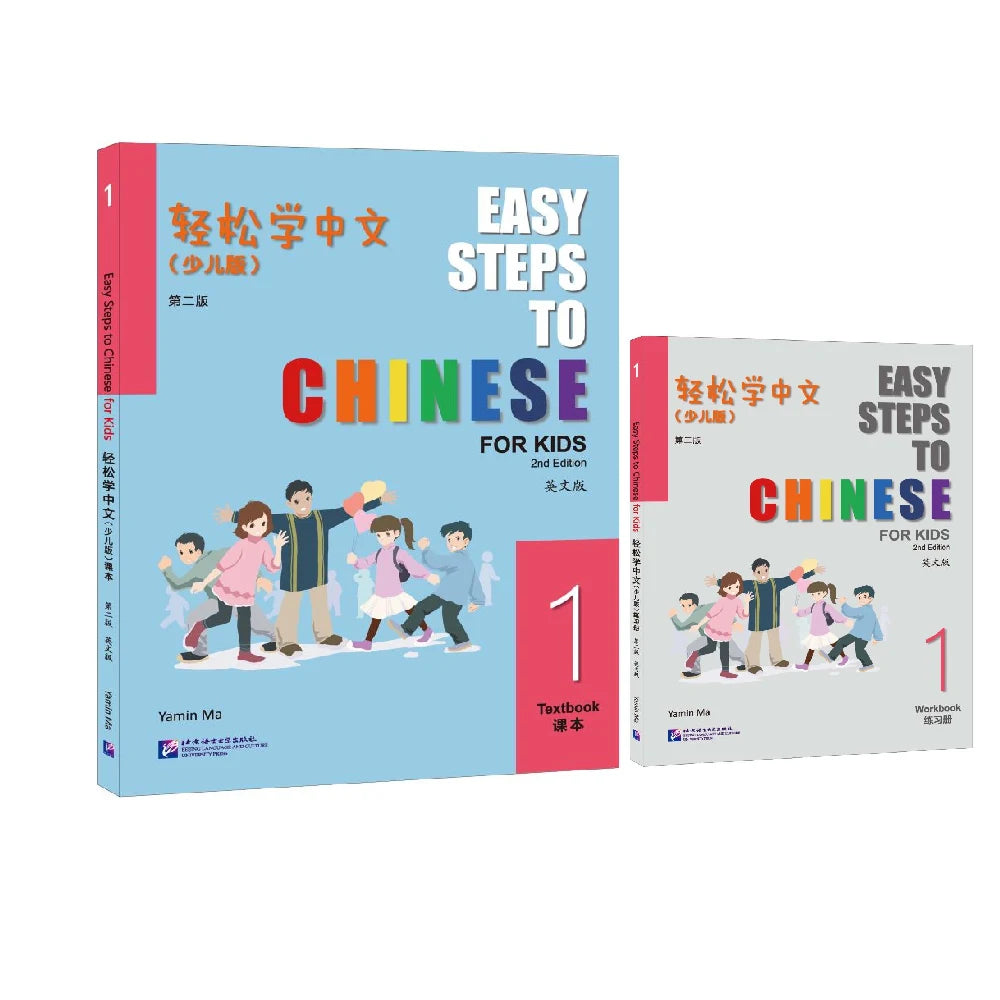
Easy Steps To Chinese For Kids 2nd Edition Textbook and Workbook 1 Learn Hanyu Pinyin Two Books Included
Easy Steps To Chinese For Kids 2nd Edition Textbook and Workbook 1 Learn Hanyu Pinyin Two Books Included
Couldn't load pickup availability
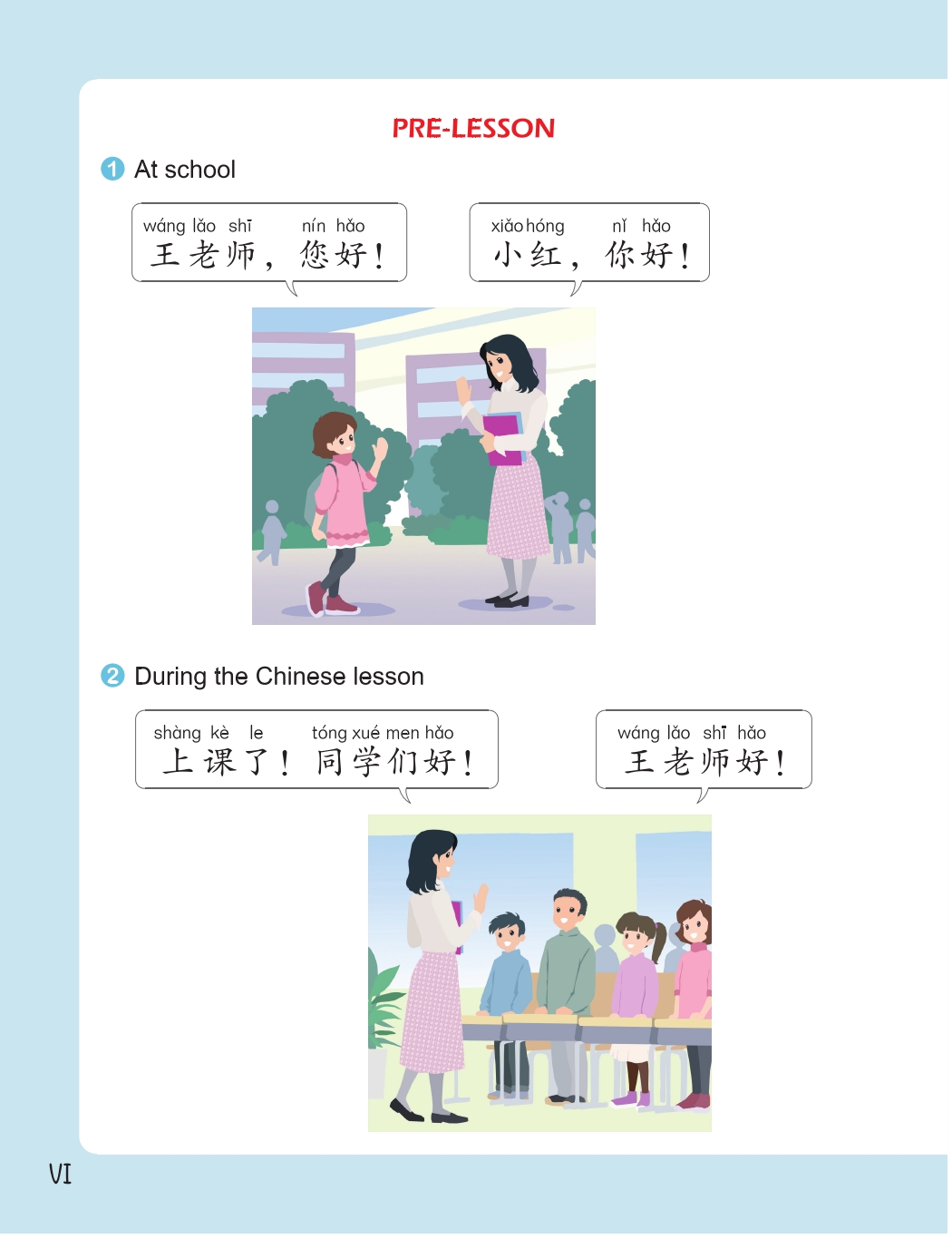
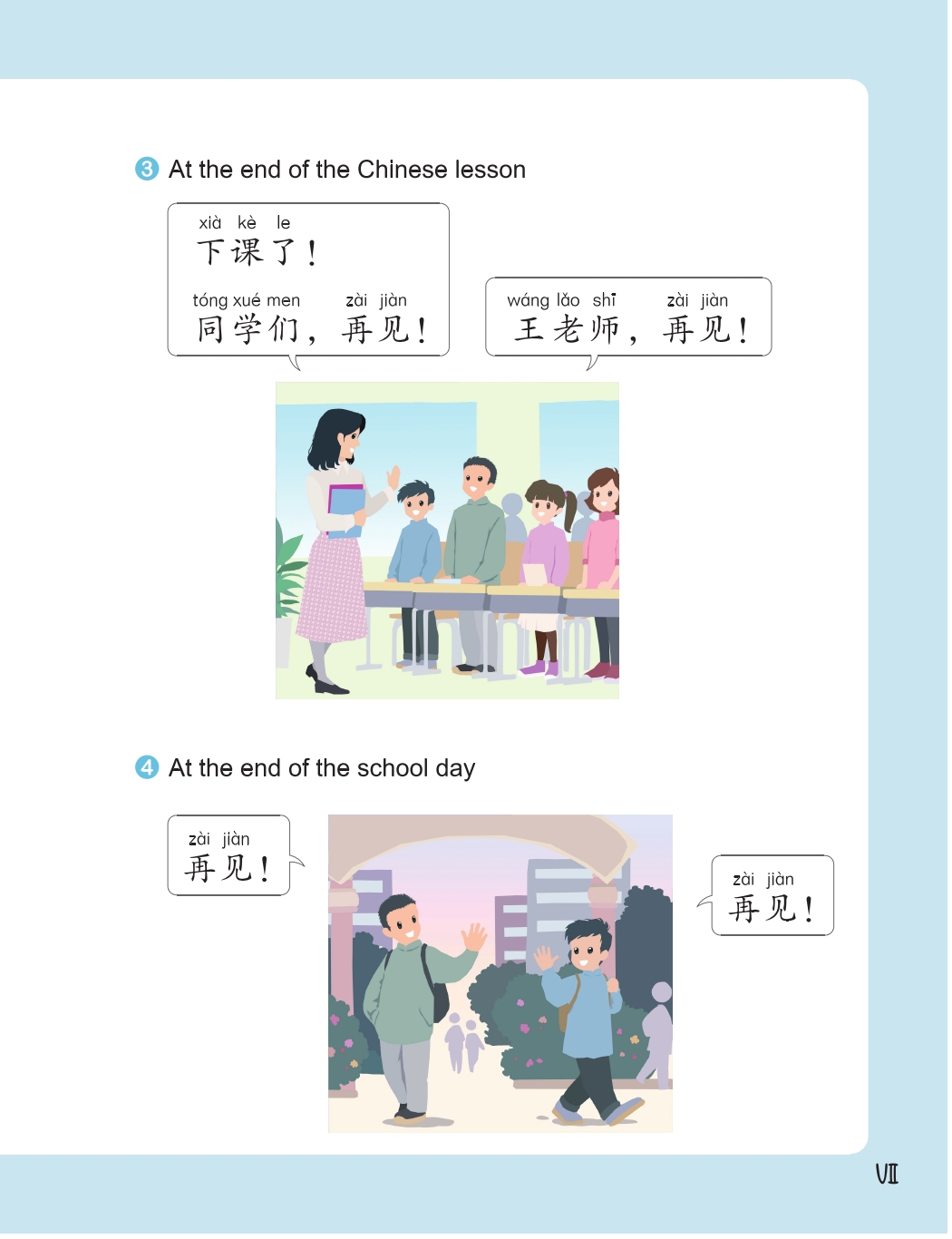
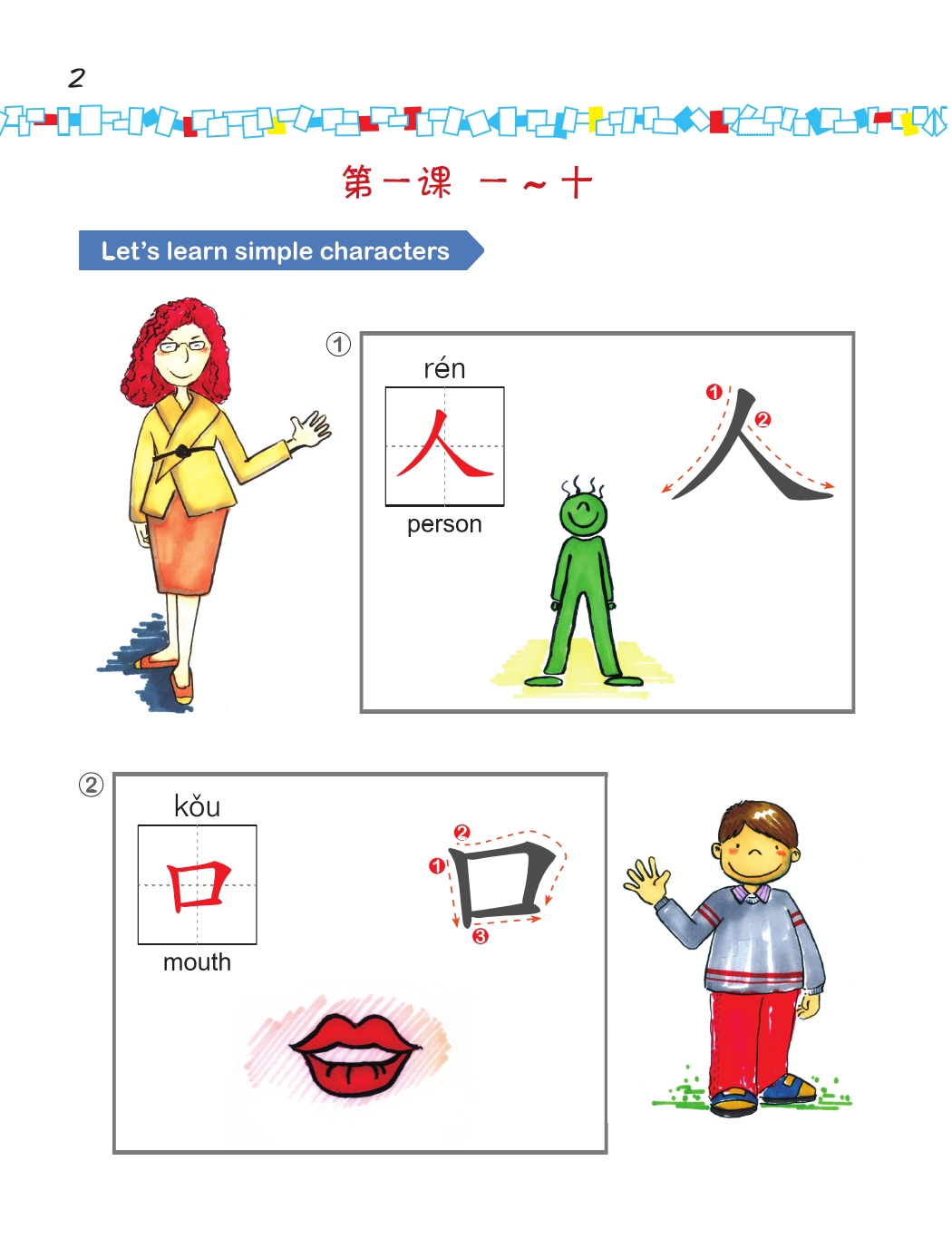
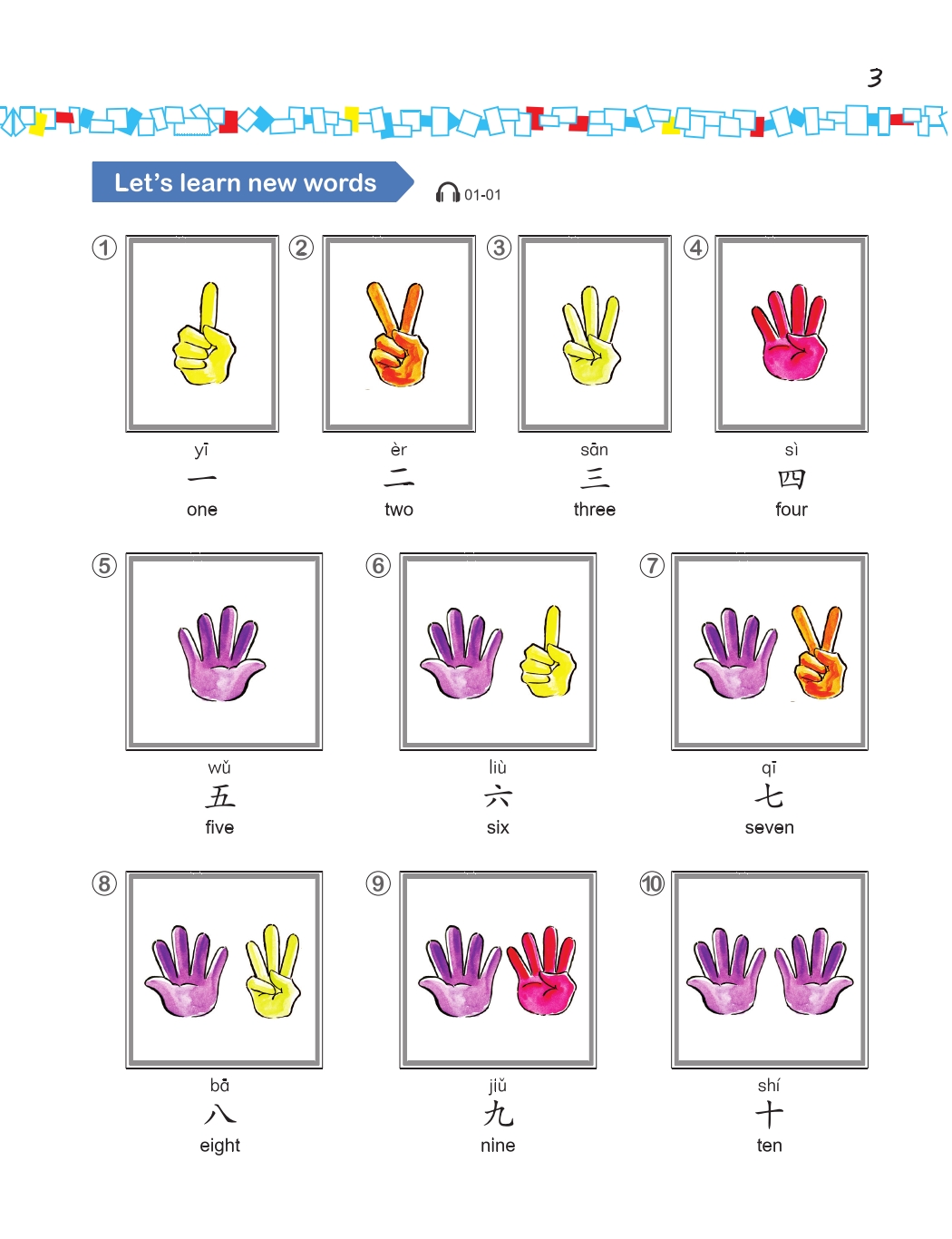
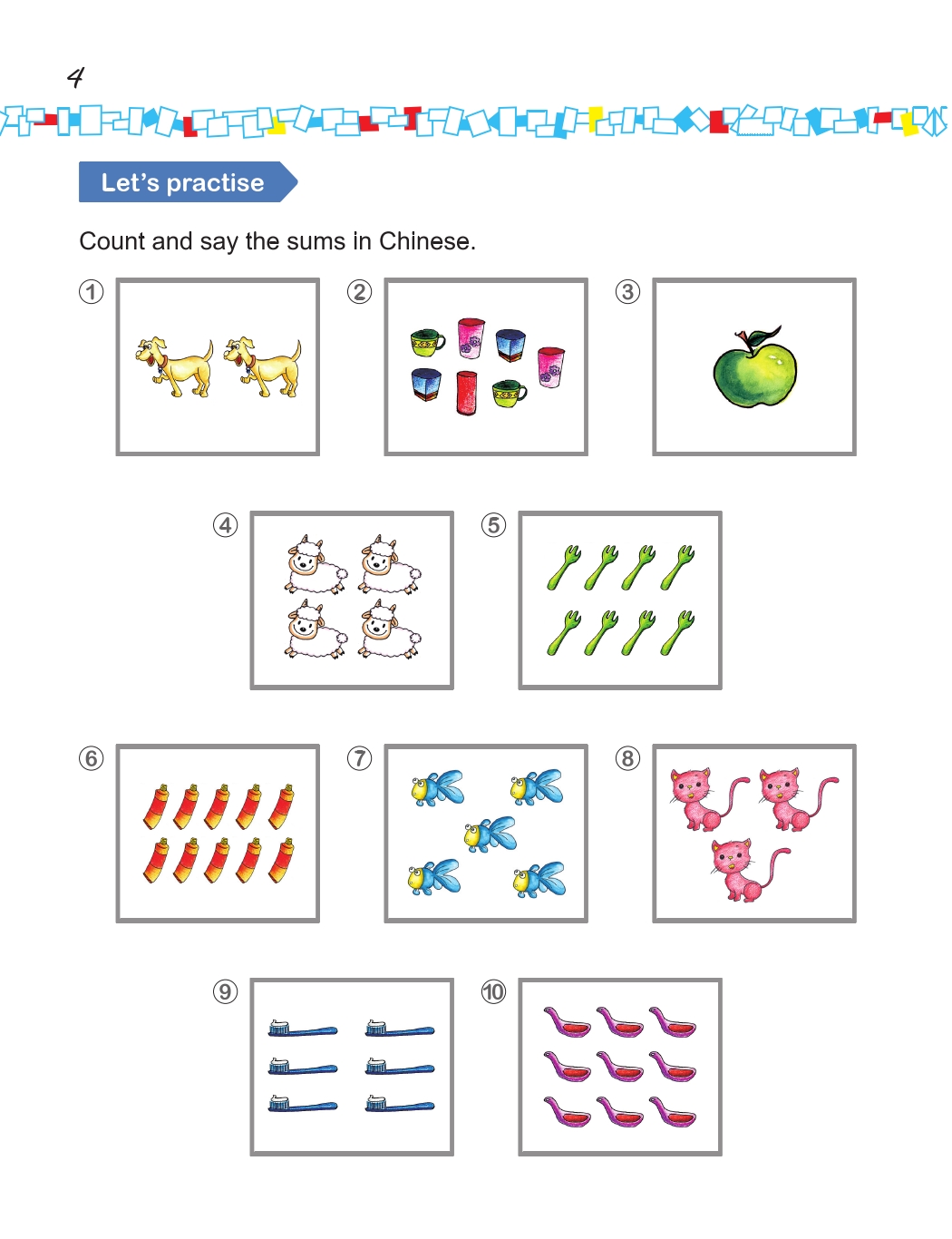
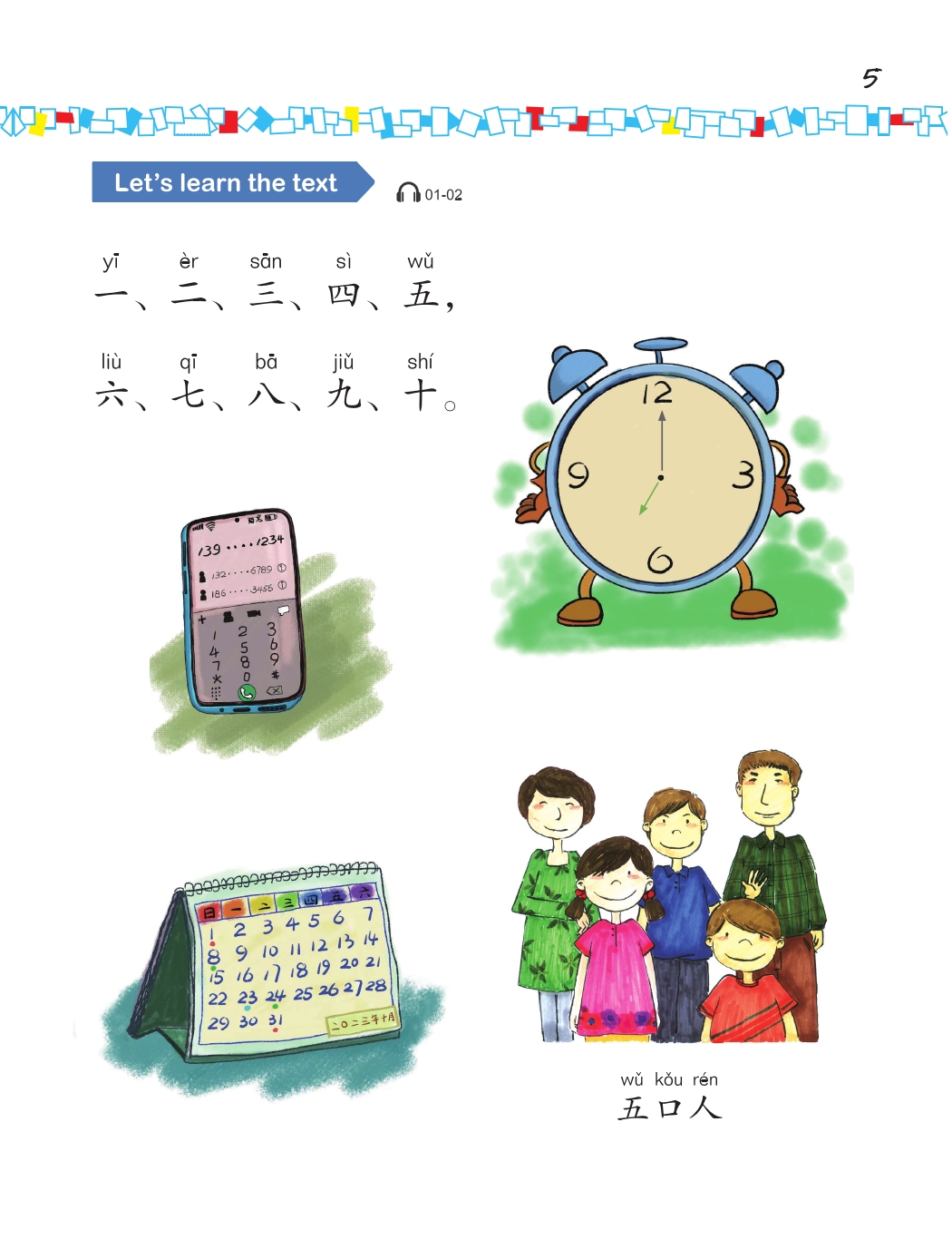
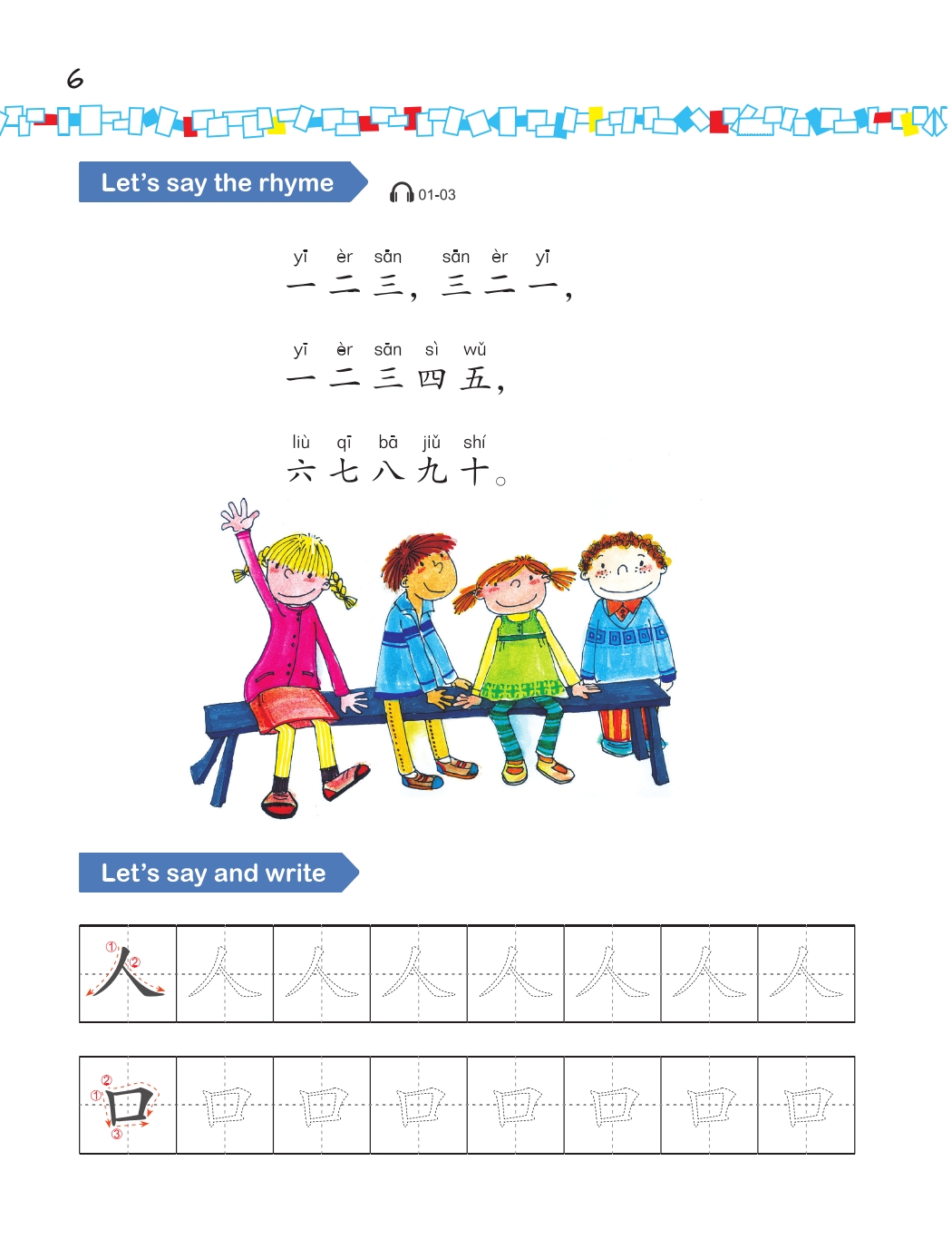
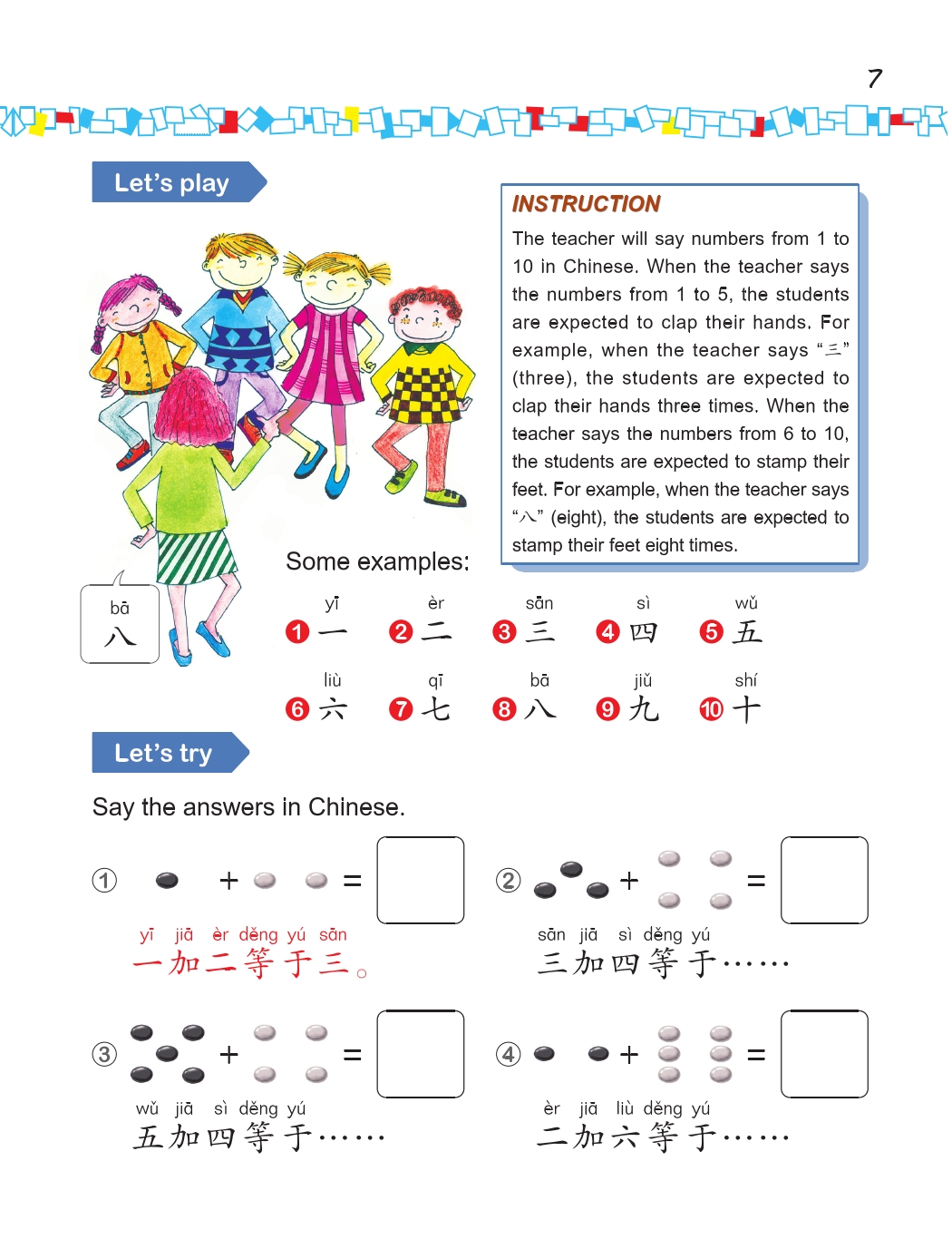
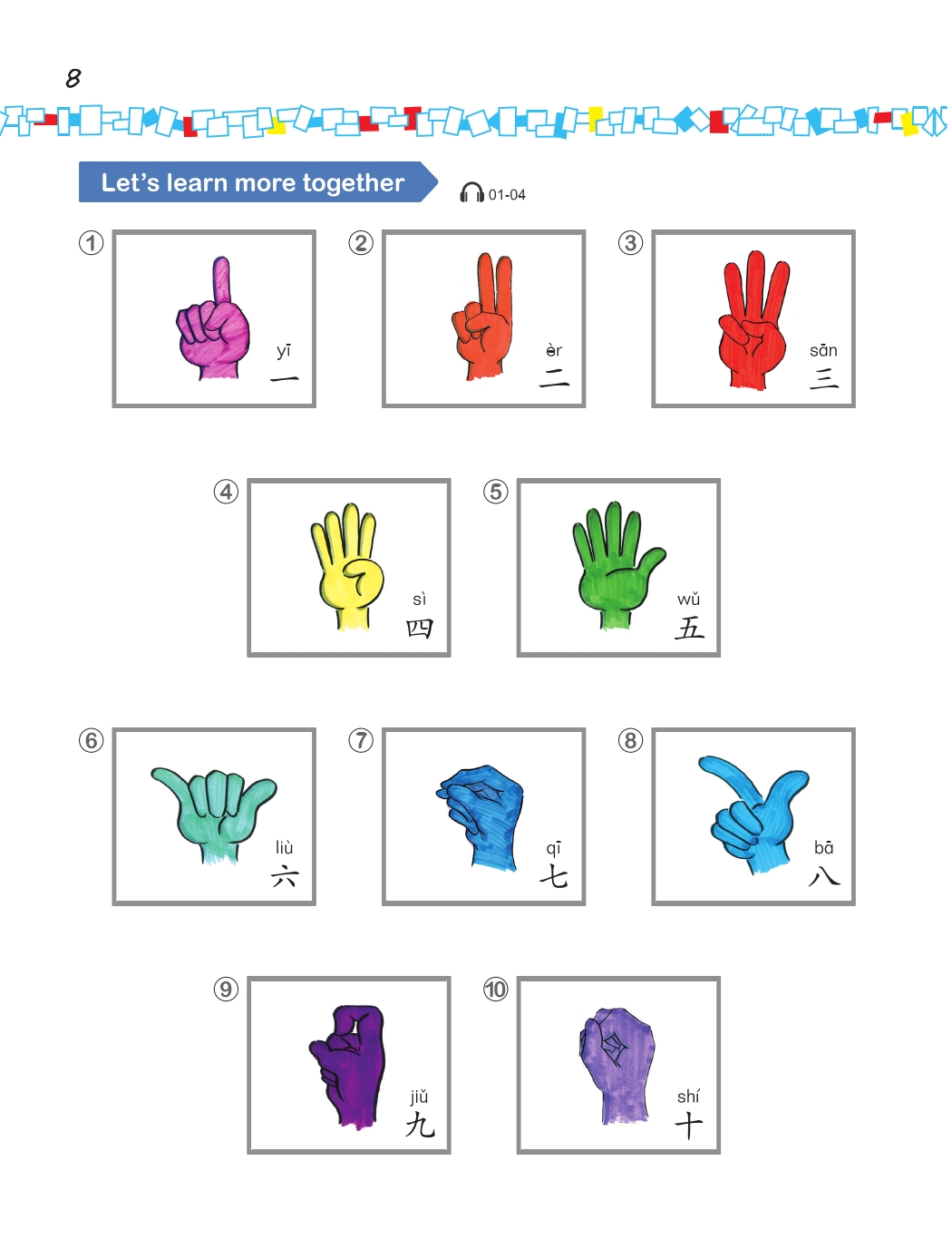
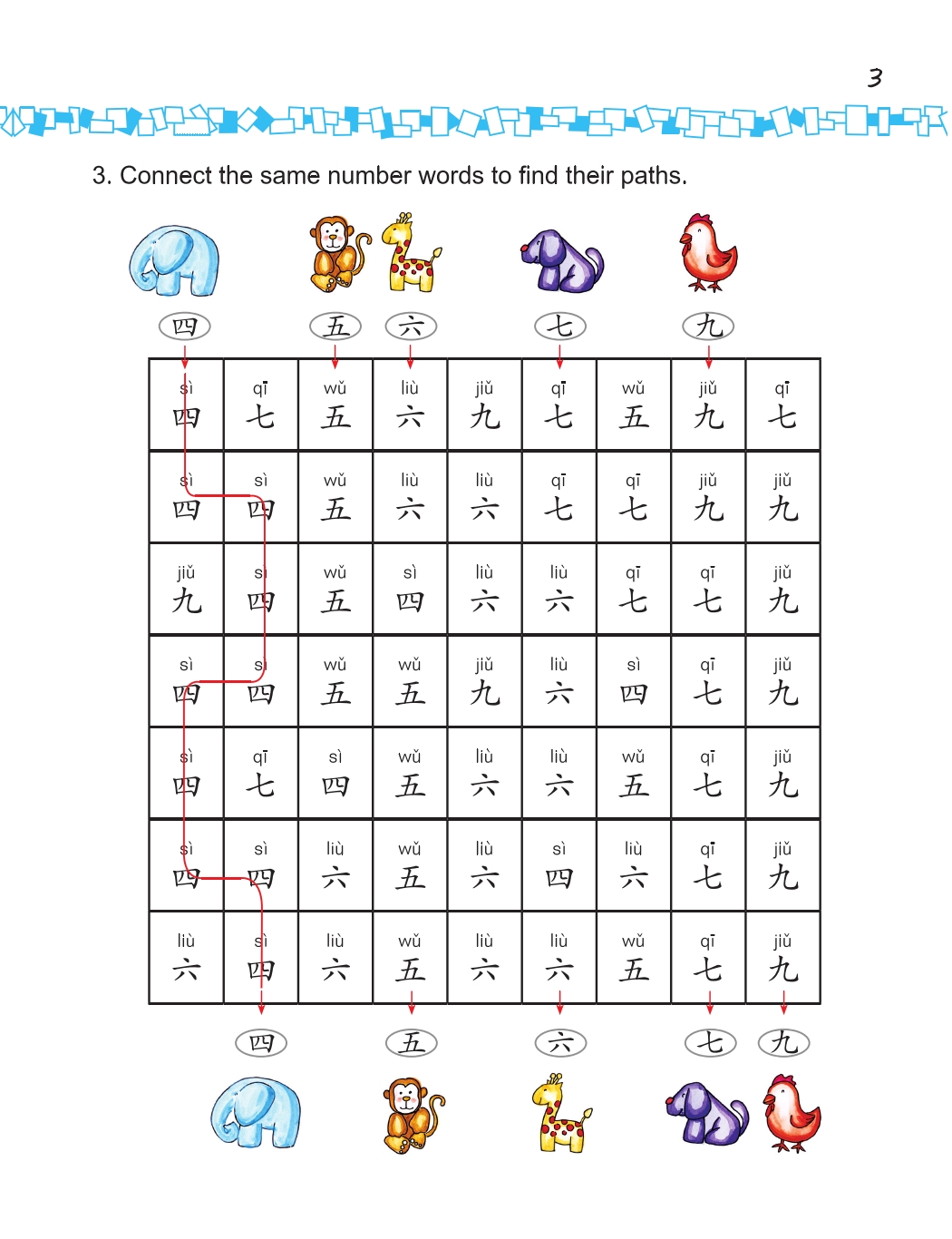
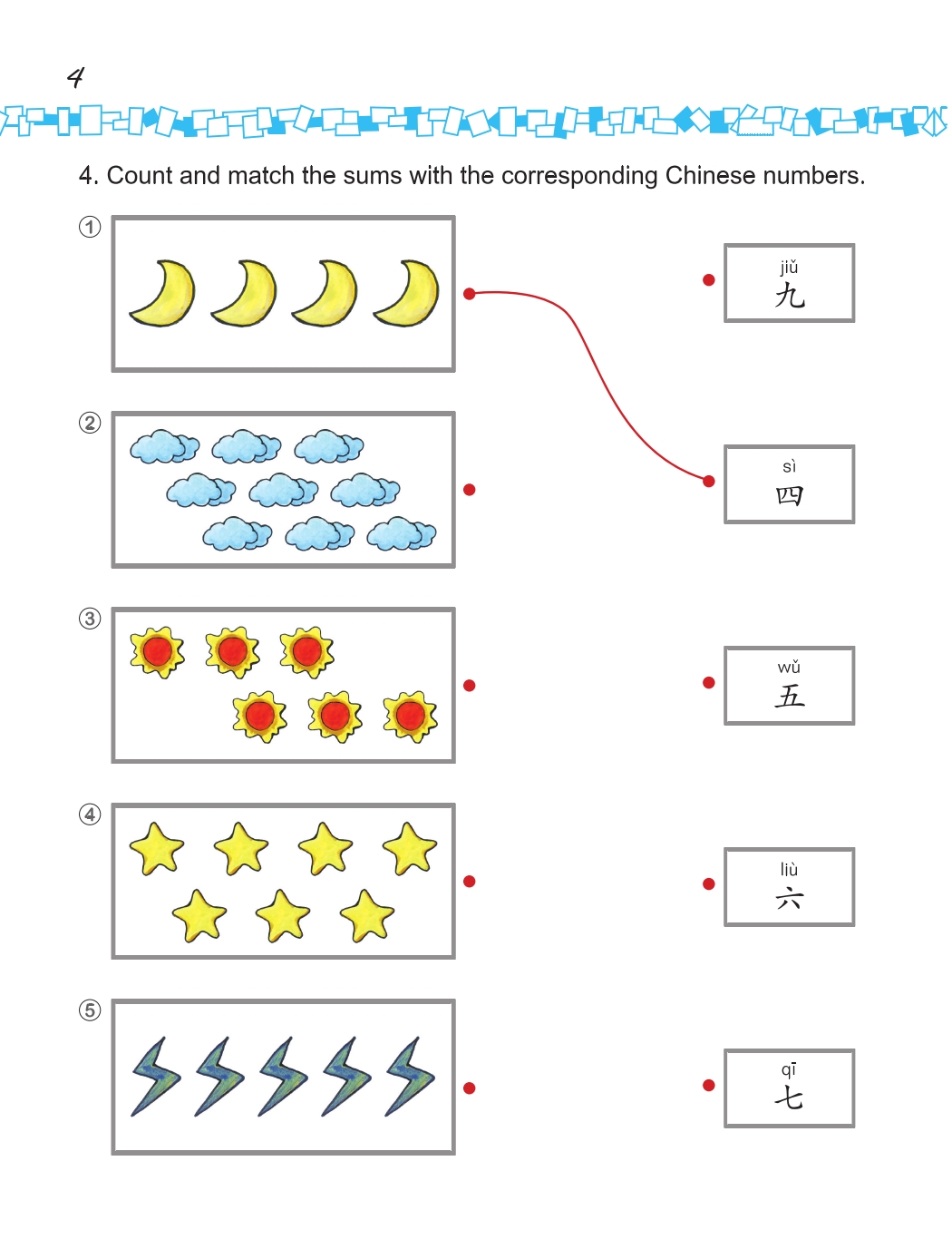
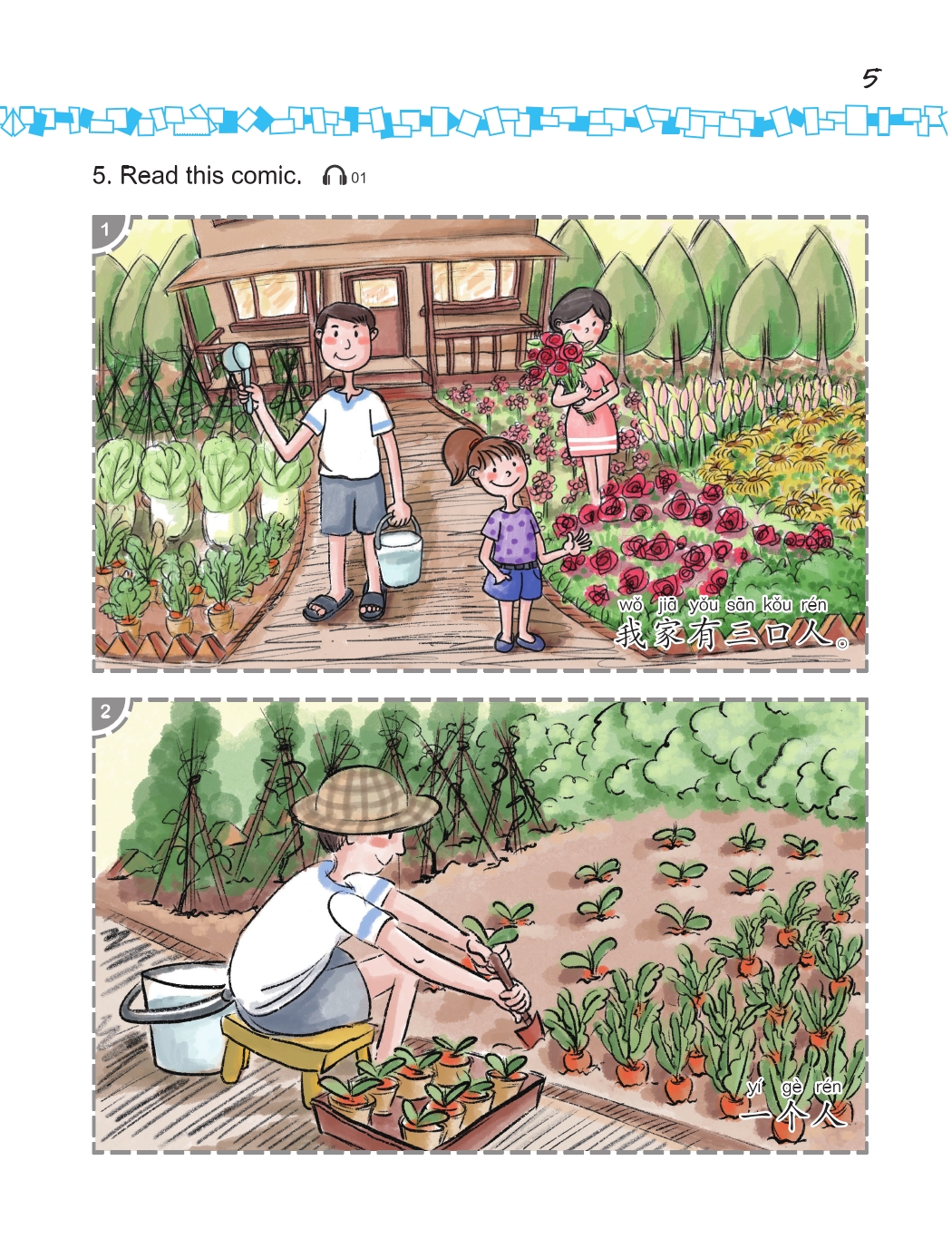
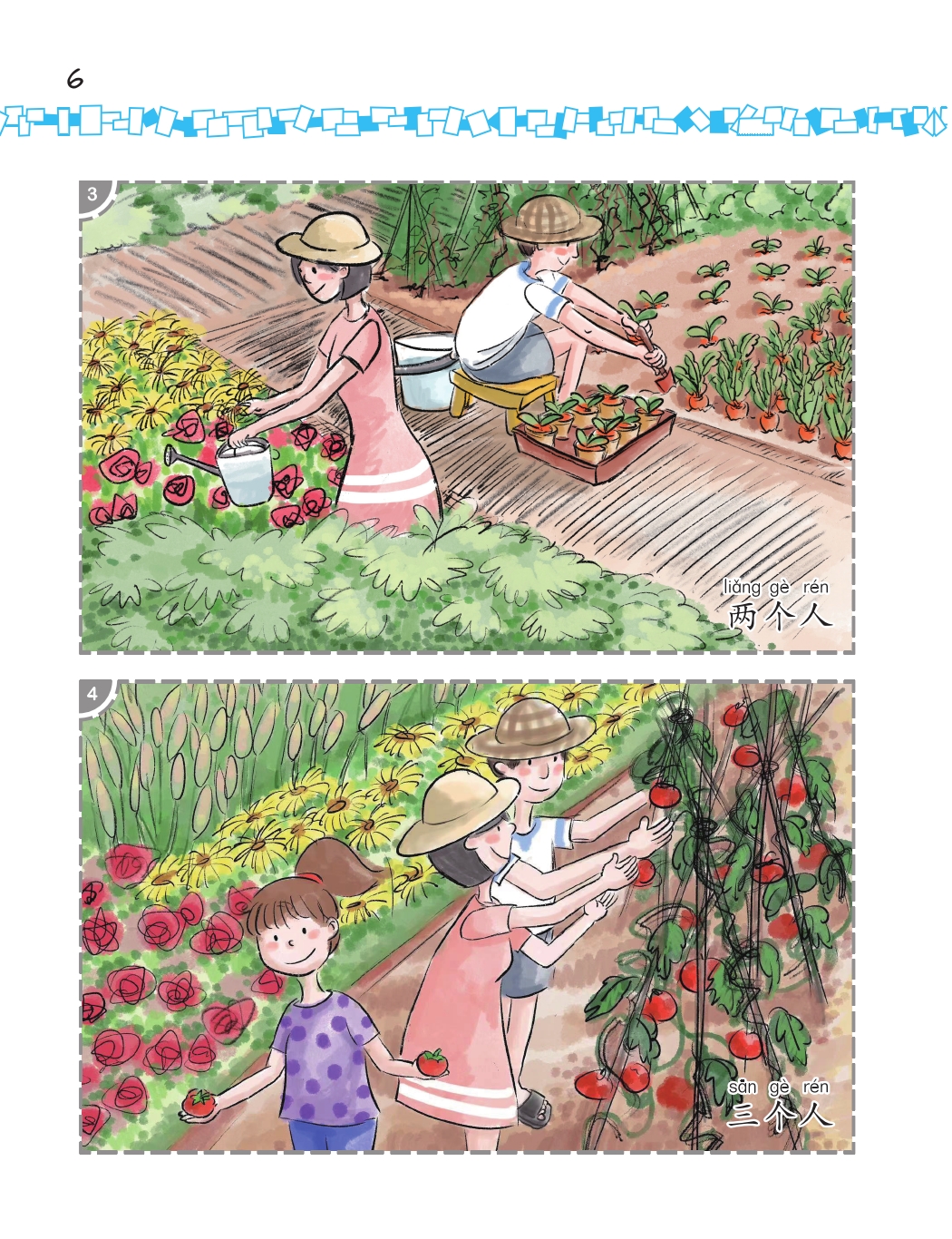
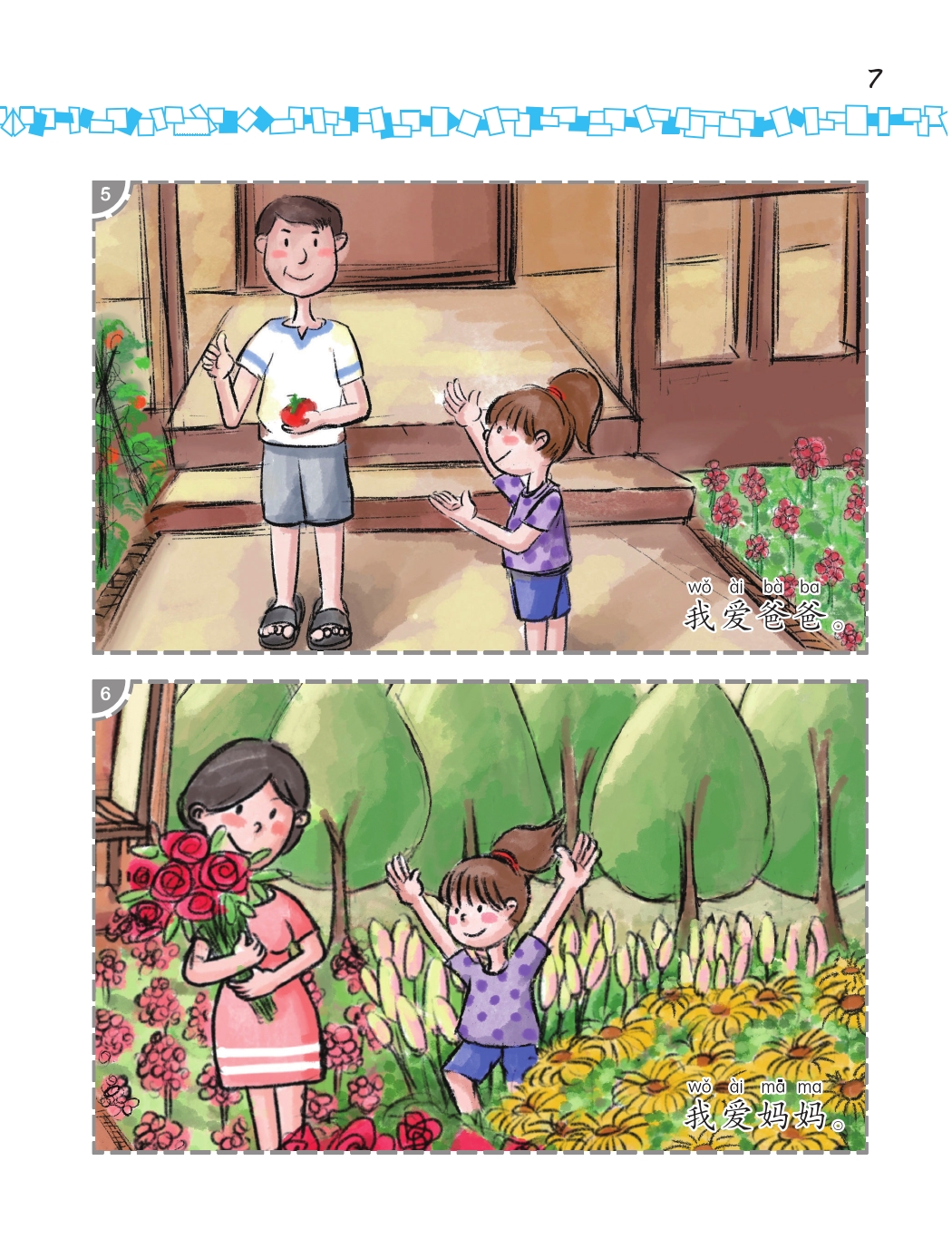
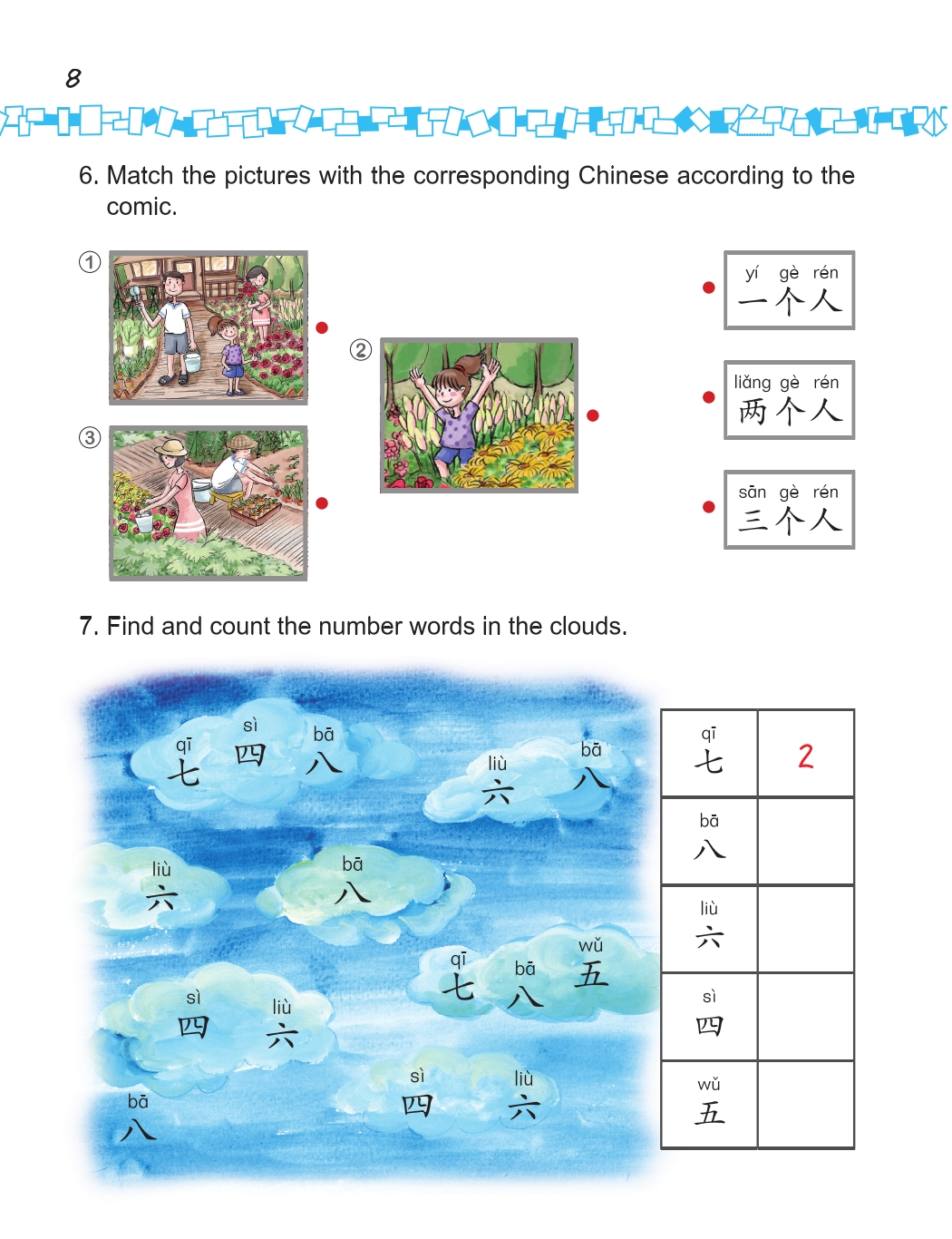
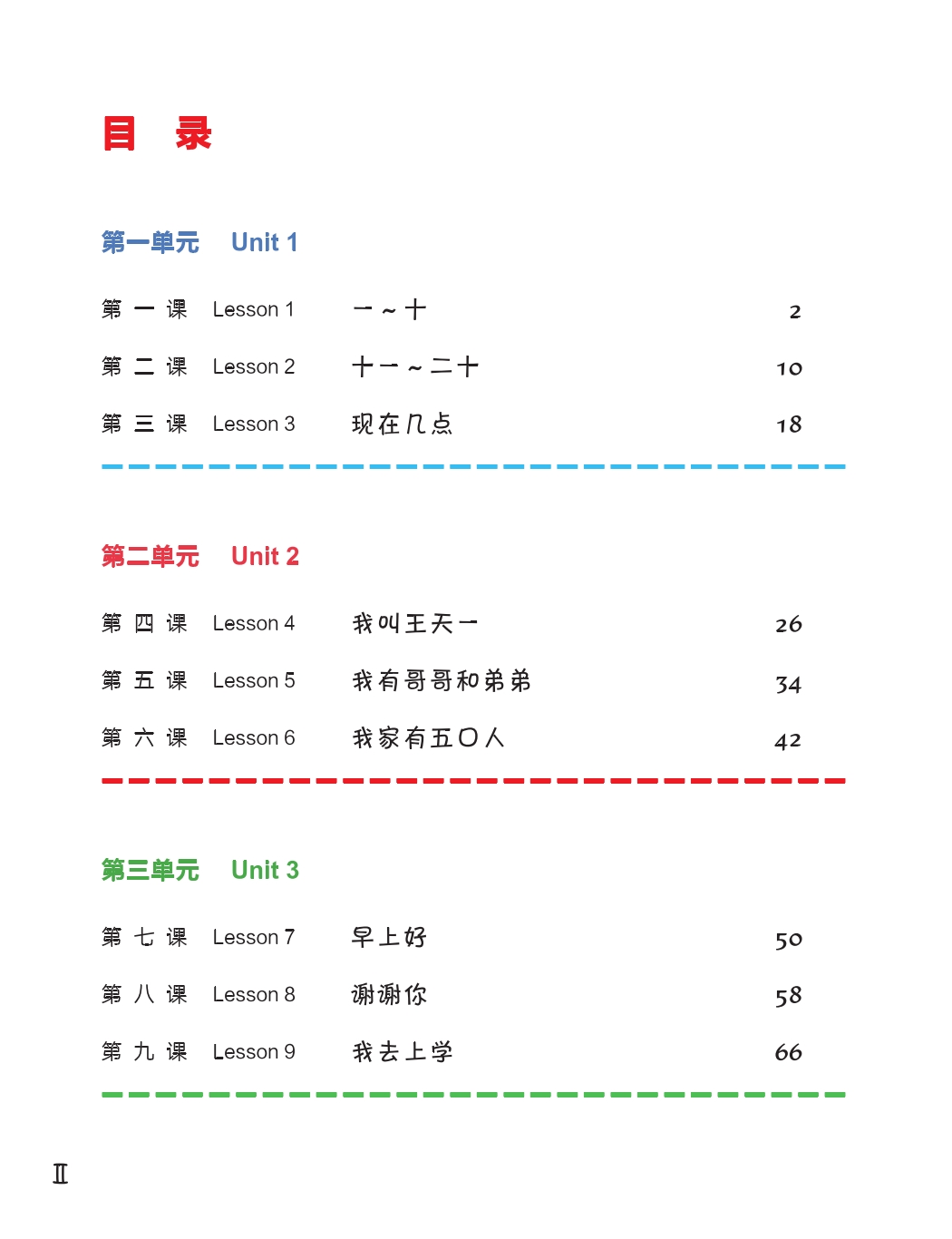
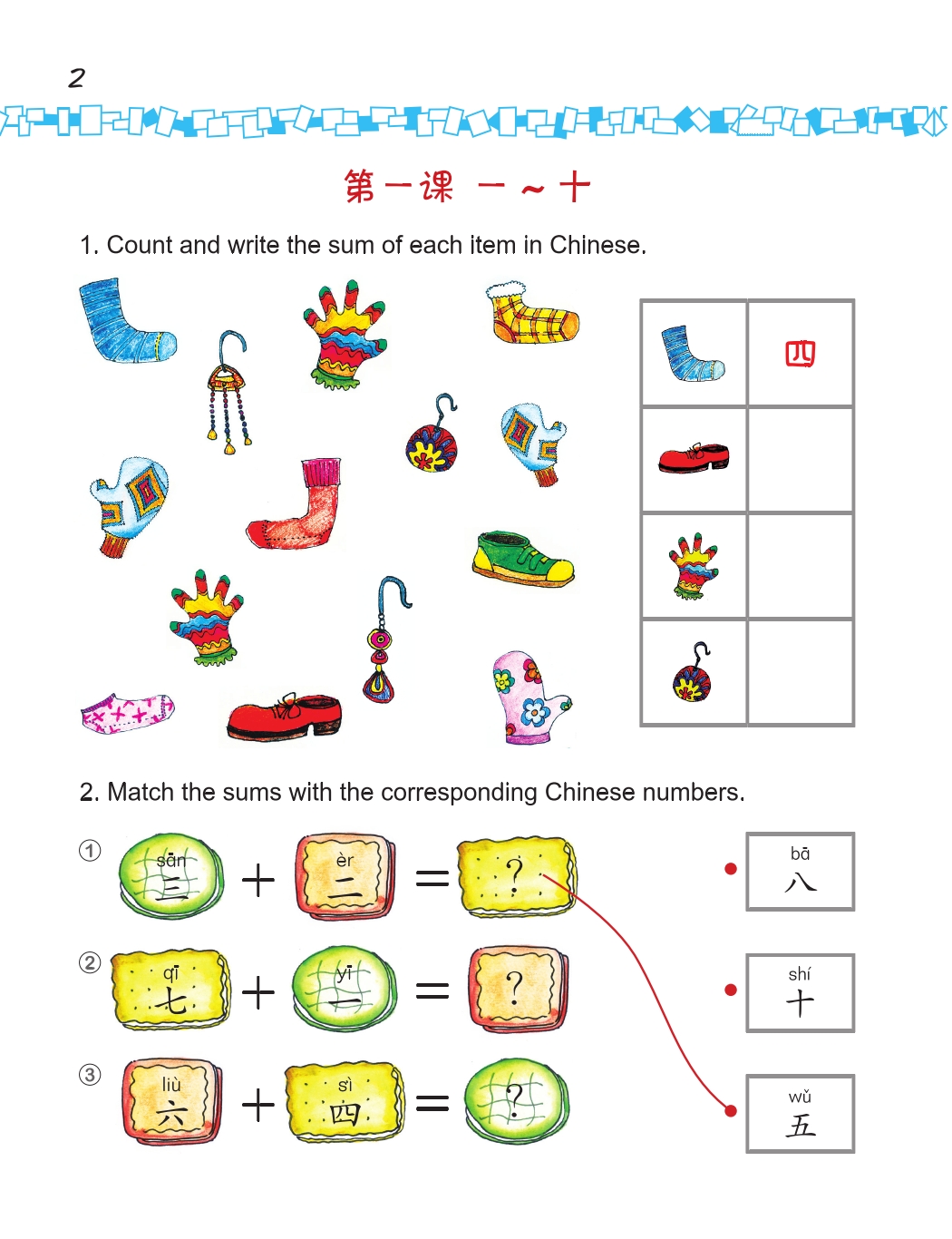
The course is designed by incorporating relevant theories of cognitive psychology and second/foreign language teaching and learning. It adopts the “spiral curriculum” principles, emphasizes the learning of characters and words, and takes advantage of rules of Chinese word formation. It is designed scientifically and logically to enable students to learn and acquire Chinese systematically.
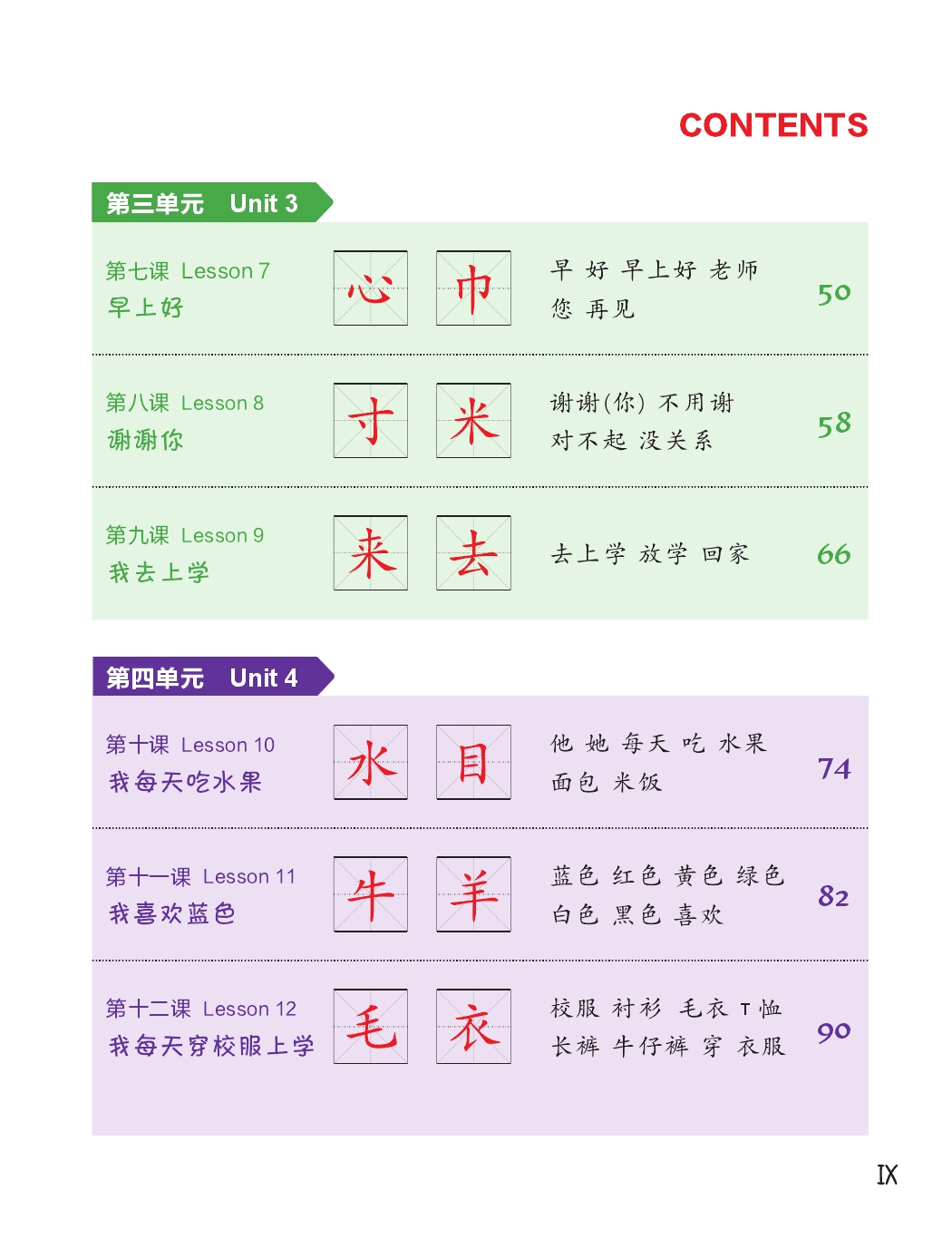
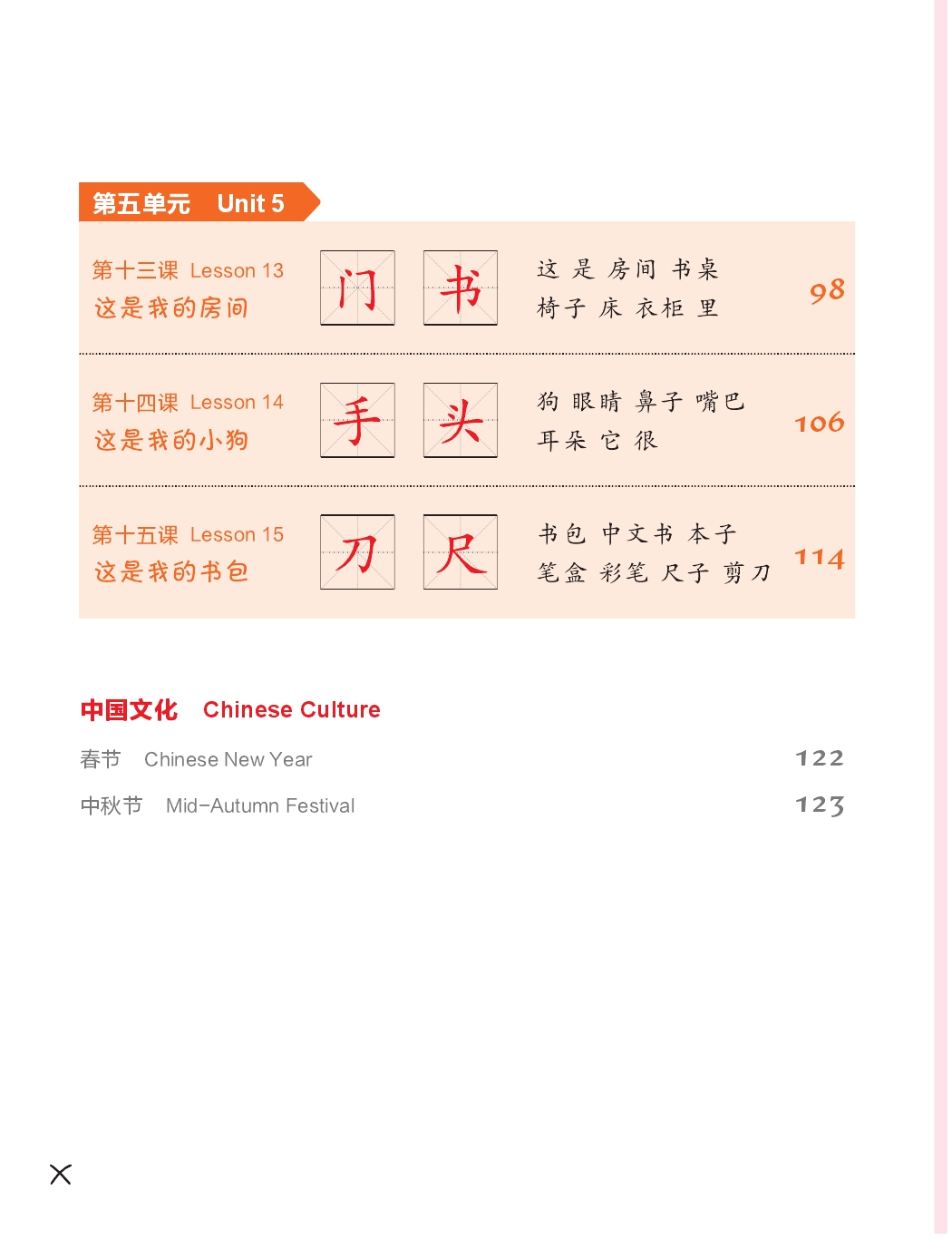
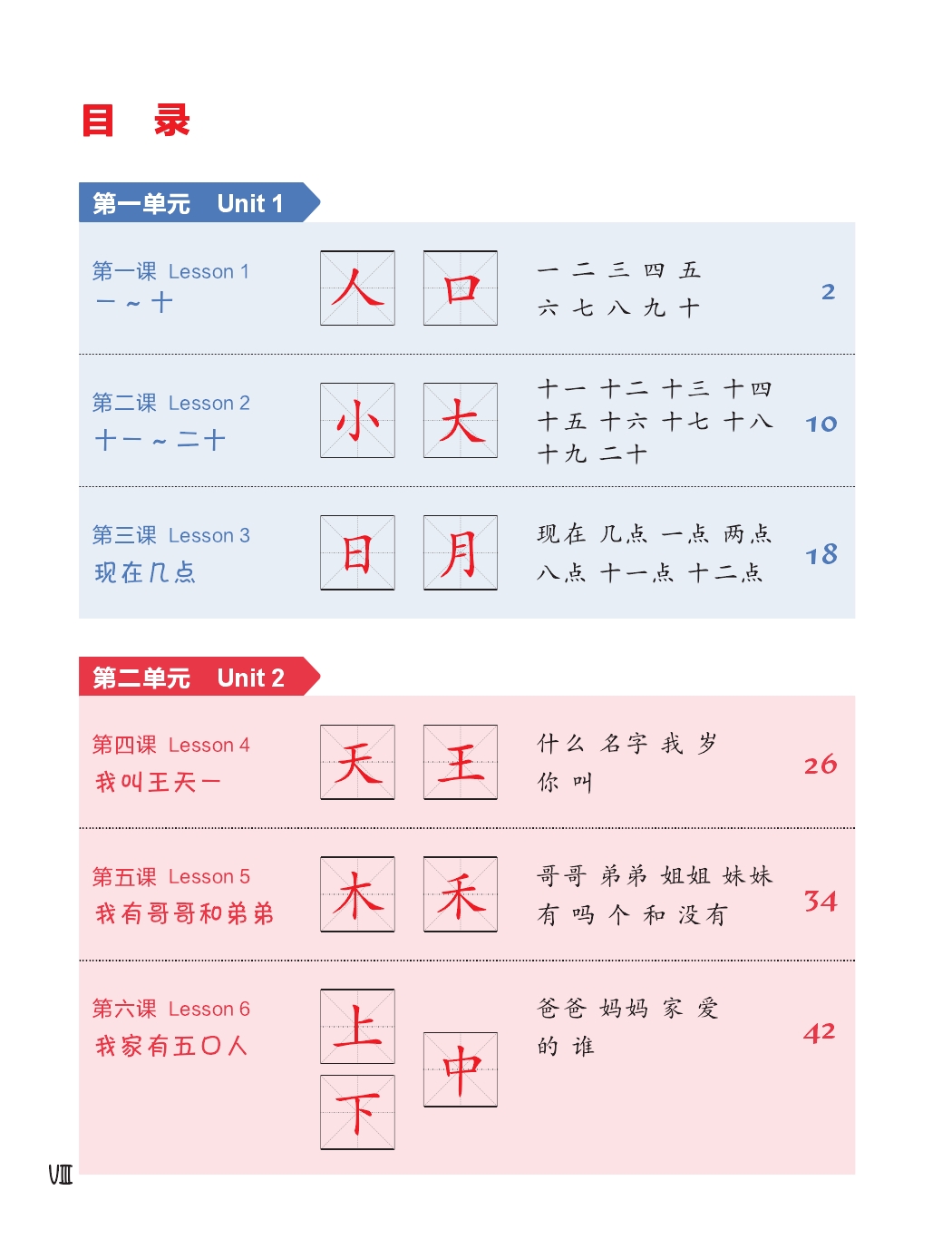
The course is designed with reference to the preschool and primary school education guidelines of China and other countries. It covers five themes: health, language, society, science and art. There are five units in each book: numbers, me and my family, school life, daily life, and home and community. The contents of the five themes are naturally integrated into the five units of each book. Chinese culture, such as traditional festivals, customs, etc. is introduced throughout the course. In addition, while teaching Chinese, this course strives to promote the development of students’ emotion, attitude, ability, knowledge, skills, etc.
The course consists of two parts: teaching language knowledge and cultivating students’ communicative competence. One cannot learn Chinese without learning Chinese characters. As the core of this series, Chinese character teaching dominates the whole course design. The teaching of Chinese characters requires students to recognize and write simple characters from memory, and to recognise, trace and write compound characters. After completing this course, students are able to write a reasonable number of radicals, simple characters and short sentences. The course also focuses on the development of students’ listening, speaking and reading skills, and in particular students’ ability to communicate smoothly and effectively in real-life situations using the Chinese they have learned.
The themes and topics of the course have been carefully selected, and the units have been planned holistically. The content setting of this course addresses the same themes and topics within each of the four books, but each with increasing complexity, depth and constant expansion in terms of the scope of vocabulary, content and cultural elements involved. This ensures that students learn new knowledge and skills on the basis of mastering the old.
The course progresses gradually with the difficulty level of each book being carefully controlled but challenging enough. Each book is naturally connected and transitions smoothly to ensure the steady improvement of students’ Chinese level.